
The online gaming world sometimes requires players to jump through official hoops. For a game like JetX, players in places with strict rules, such as Canada, might face a surprising step: getting documents notarized. This step can seem like standing in a slow-moving line at a notary’s office. It’s a mandatory pause, a bridge between the digital game and real-world legal systems. This requirement shows how serious online platforms, including crash games, have become about following the law. Let’s explore why this happens, how it affects players, and what this « queue » really represents for trust and rules in international gaming.
Exploring the JetX Game Phenomenon
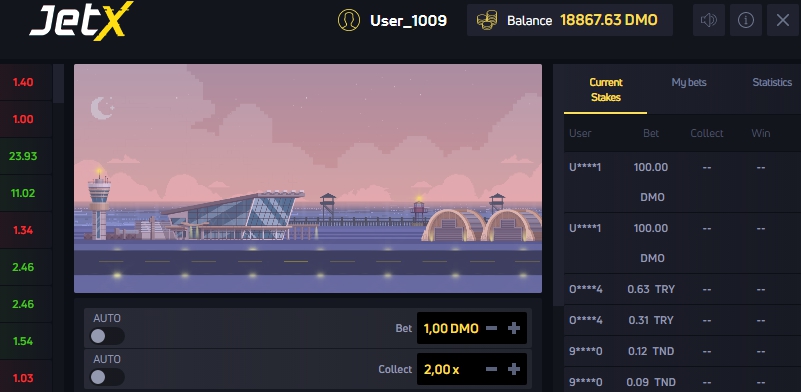
JetX Game is a risk-based game. The idea is simple. You put a bet and watch a multiplier rise from 1x. You must to cash out prior to the multiplier drops to zero. The game plays on a basic tension: cash out quickly for a modest win, or risk it all for higher. Its clean, airplane-themed visuals and this intense moment have made it trendy. It’s not random; timing matters. For the platforms that host JetX, establishing trust is everything. That need for trust drives to rigorous user checks. Occasionally, for major account actions or cashouts in regulated jurisdictions like Canada, that involves getting a notary to certify a form. It’s portion of the process.
The Purpose of Official Document Verification in Internet Gaming
Checking personal documents is a fundamental part of online gaming now. It’s how sites fight fraud, stop money laundering, and prevent underage players out. When JetX Game functions in a market like Canada, it must follow Know Your Customer (KYC) and Anti-Money Laundering (AML) laws. Players typically have to submit a photo of their driver’s license, a latest bill for their address, and sometimes documentation of where their money comes from. A notary’s stamp provides another level of assurance. It verifies a document is real. This process secures the platform and the players. It ensures the game fair, protects money moving in and out, and allows the operator keep its license. The objective is a safer space for everyone.
Why a « Notary Waiting Line » Metaphor Applies
« Notary service queue » is a helpful way to consider the wait and the formal step. Not every player has to use a notary. But the experience of being in a line applies to the whole verification process. If a player’s account triggers alerts, or for a substantial withdrawal, the site might ask for a notarized ID or a sworn statement. The player then has to seek out a notary public, visit them in person, and have the papers stamped. Then they upload them and expect review. This establishes a queue—a waiting state where the account is blocked. This queue marks a shift. It’s where a digital profile intersects with the old-school, paper-based world of legal proof. The point is to be thorough, not fast.
Canadian Regulatory Framework for Gaming Platforms
Canada’s rules for online gaming are a mix. Each province sets its own rules, instead of enforcing one national law. This means what games you can play, and what operators must follow, changes if you’re in Ontario versus another province. JetX is often available on international websites. When a Canadian uses these sites, the platform’s own global rules kick in. These rules are often designed to meet the toughest requirements from anywhere they operate. They emphasize protecting users, keeping data secure under Canada’s PIPEDA law, and ensuring money is trackable. So, when a operator asks a Canadian individual for a notarized document, it’s often being cautious. The platform wants to uphold high standards before any regulator even demands.
Detailed Walkthrough: The Document Authentication Process
When a player must authenticate documents., the path is clear but detailed. First, customer service sends a notification. It details the required documents and may include a form to fill out. The player seeks a qualified notary or commissioner. In Canada, you can find them at law offices, some post office locations, and certain banks. The player provides original documents and photocopies. The notary verifies the player’s identity against their photo ID, confirms the copies match the originals, and applies a stamp or seal. At times, the player must swear a written declaration, called an affidavit. Lastly, the player scans the notarized documents and uploads them to a secure site. Clear instructions from the gaming site are vital. Ambiguous instructions can lead to rejections, sending the player back to the start of the line.
Frequent Challenges during the Verification Queue
The verification line comes with its own set of headaches https://aviatorcasino.app/jetx/. Support tickets can take days to receive a response. Instructions might be unclear about which page of a passport needs stamping. Finding a notary is costly and time-consuming. For a person in a northern remote area, the trip could be extensive. Small errors, like a nickname on an account instead of your complete legal name, can lead to a submission being rejected. If documents are in a foreign language, a certified translation might be required. These friction points expose a gap. Playing JetX is smooth and digital. Proving who you are can be clunky and analog. The best gaming sites deal with this properly. They give precise instructions, answer questions quickly, and sometimes even pay the notary fee to keep a good player content.
The way JetX Game Platforms Streamline Official Procedures
Smart platforms that host JetX treat document checks as a essential part of the player’s experience. They strive to make it more convenient. They create dedicated verification teams. Their help sections have thorough guides, sometimes with images. They utilize secure, encrypted upload portals for sensitive documents. Some use third-party digital ID services that verify your face against a database, which can bypass the notary step entirely. When a notary is required, the best sites offer a clear letter for the notary to review. This letter clarifies exactly what stamp or signature is required. They also inform players how long the review will require, and they dispatch updates. Getting this right is a real asset. A efficient, predictable official process makes players trust the site. It demonstrates the operation is credible and is mindful about both safety and the player’s schedule.
Balancing Security with User Experience
Every online gaming site faces the same challenge. How do you stay secure without annoying your users? One side requires strict checks to follow the law and block cheats. The other side expects to play instantly and cash out money without delay. The « notary service queue » is the most stringent security measure. The answer usually rests in a tiered system. Most players pass with a fast digital check. Only in special cases does the system request more. A huge withdrawal, or logging in from a new country, might prompt the request for a notarized paper. This risk-based approach simplifies things for most people. It keeps the big guns for the rare cases that truly require them. The system remains secure without burdening everyone.
The Future of Digital Authentication in Gaming
What’s coming will likely cut down the notary queue. New technology is reshaping how we prove who we are. Blockchain could give you a digital ID that governments issue and any site can verify instantly. Biometrics, like using your face against a passport database, will become more common. There’s also talk of « self-sovereign identity, » where you control one digital proof of identity for all your online accounts. For a game like JetX, this means verification could be both speedier and more reliable. Rules would still be satisfied, but players wouldn’t have to scan and upload papers. The notary step won’t disappear completely for complex situations. But for everyday checks, the process will melt into the digital background. Playing a game and proving you’re legit will feel like one seamless action.